Overview
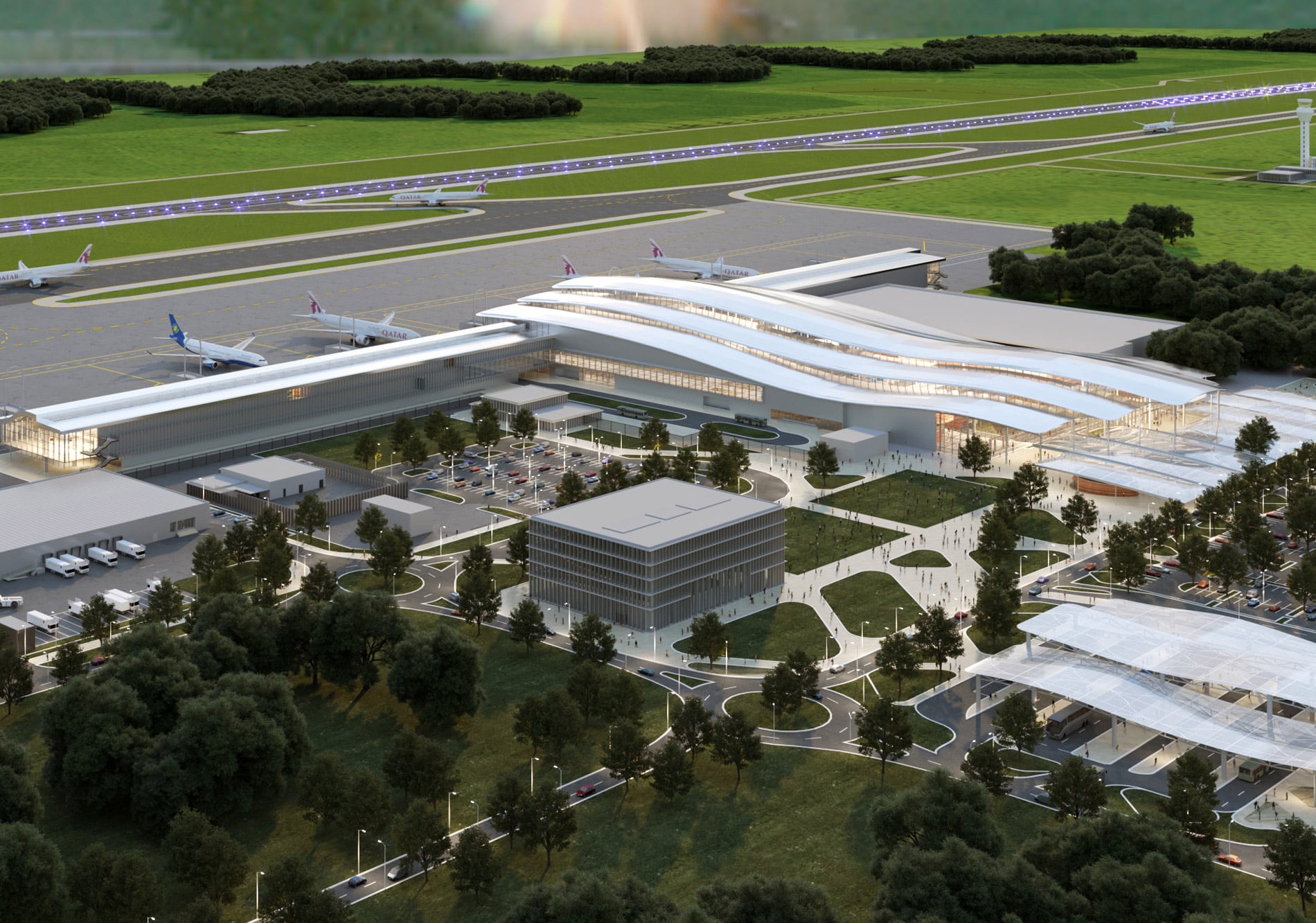
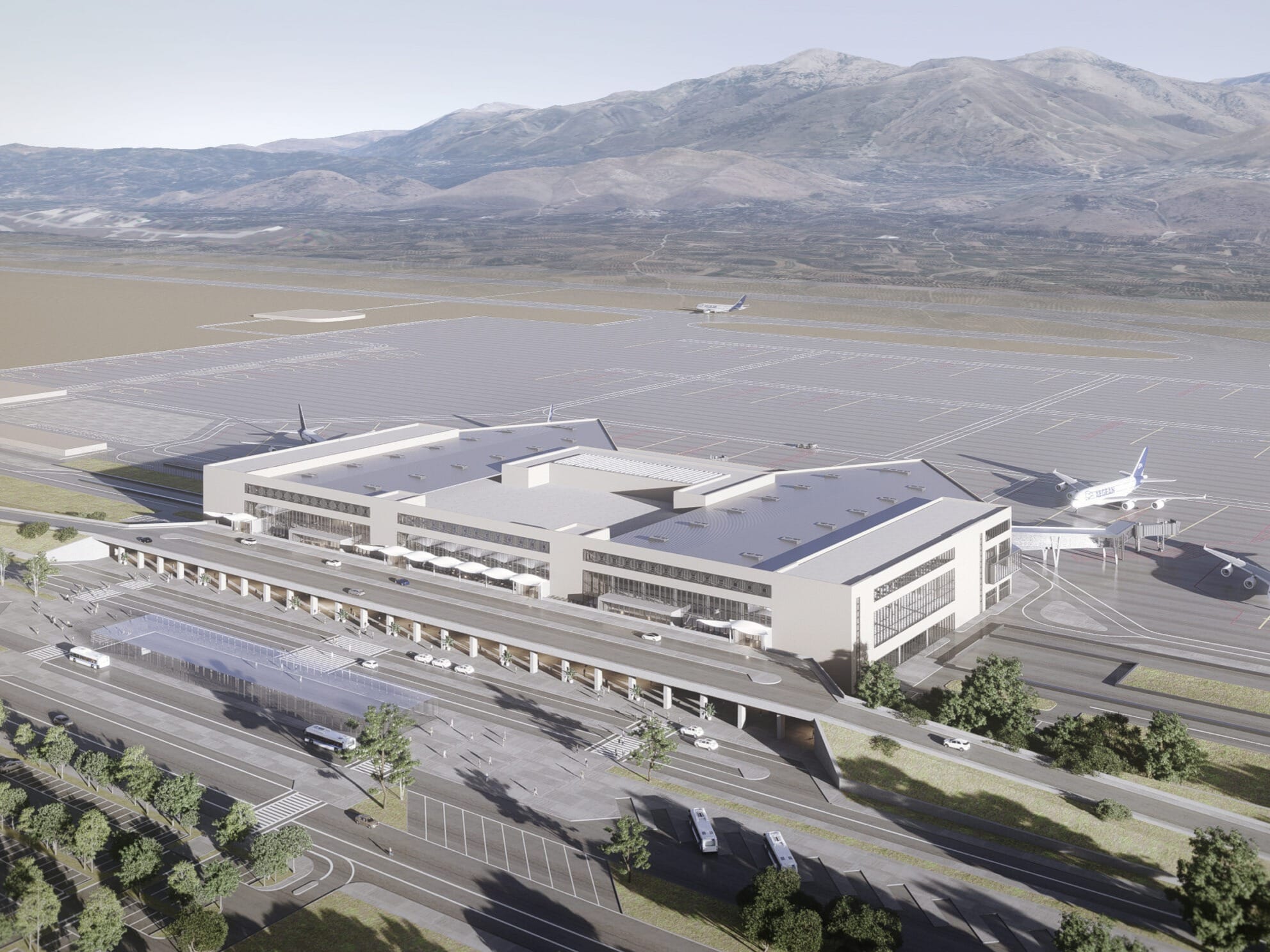
Airport Gurus was engaged by GEG to deliver detailed airfield design support for the development of Bugesera International Airport, Rwanda’s new primary international gateway. The assignment covered runway, taxiway, and multiple apron areas and focused on establishing a coordinated, standards‑compliant technical baseline to support construction, procurement, and certification.
The scope included detailed airfield systems design, ICAO safeguarding, and BIM‑based deliverables, complemented by operational simulations and safety‑critical analyses. Together, these efforts validated airside layouts, aircraft movements, and jet‑blast protection measures while ensuring alignment between airfield geometry, systems design, and regulatory requirements.
Project Details
Bugesera International Airport was developed as a greenfield international airport intended to serve as Rwanda’s main aviation hub. As part of the airside development program, GEG required specialized airfield and systems expertise to support detailed design, operational validation, and compliance with ICAO standards across a complex, multi‑disciplinary scope.
Airport Gurus delivered detailed design services for airfield systems including airfield ground lighting, signage and markings, apron floodlighting, and obstacle limitation surface safeguarding. All deliverables were developed using BIM models supported by technical specifications and bills of quantities to enable procurement planning and construction sequencing.
To validate operational performance and safety, Airport Gurus conducted a series of simulation and modeling studies. These included apron layout validation using MARS analysis and passenger boarding bridge envelope checks, taxiway and runway simulations to confirm geometry compliance and aircraft maneuverability, and computational jet‑blast modeling to assess clearance and safety criteria across apron and airside interfaces.
In parallel, Airport Gurus specified critical CNS and MET systems, including DVOR/DME, ILS/DME (CAT II/III), AWOS, and meteorological installations, as well as defining a PIDS architecture aligned with the airport security plan. The integrated design and validation approach strengthened coordination across civil, electrical, and systems disciplines while embedding safeguarding and certification requirements into the airfield design baseline.
The assignment reduced delivery and certification risk by resolving operational, safety, and systems integration considerations early in the program, providing a robust technical foundation for construction and regulatory approval.