
Overview
The electrical power required by motors to operate conveyors in a baggage handling system (BHS) is essential for designing the overall BHS. In many systems, numerous conveyors grouped into zones are started simultaneously due to the motor control configuration, such as soft starters, known as Zone Methodology. In this configuration, multiple conveyors are activated simultaneously, and they run continuously until the zone has been cleared of bags for a specified period, typically 10 minutes or more. This approach can result in running a large number of conveyors to transport a small number of bags during off-peak hours. The implementation of Variable Frequency Drives (VFDs) throughout the BHS eliminates the need for conveyor zones, allowing for targeted control and increasing energy efficiency by running motors only when necessary.
Small Group Methodology
An alternative zoning strategy is the Small Group Methodology, where conveyors run only when bags are present. Downstream conveyors are activated seconds before bags reach them and deactivate a few seconds after the last bag exits. This method reduces unnecessary conveyor operation and achieves significant energy savings.
Simulation and Verification
BNP uses simulation to verify the benefits of the Small Group Methodology. This approach involves activating motors when a bag approaches within a certain distance (configurable to three seconds of travel time) and deactivating them after the last bag exits the conveyor, with varying sleep delays (1, 2, 3, 5, and 600 seconds) examined. In contrast, the Zone Methodology simulation set a fixed sleep delay of 600 seconds for all conveyors. Energy consumption for each method was calculated over a 24-hour period.
Results
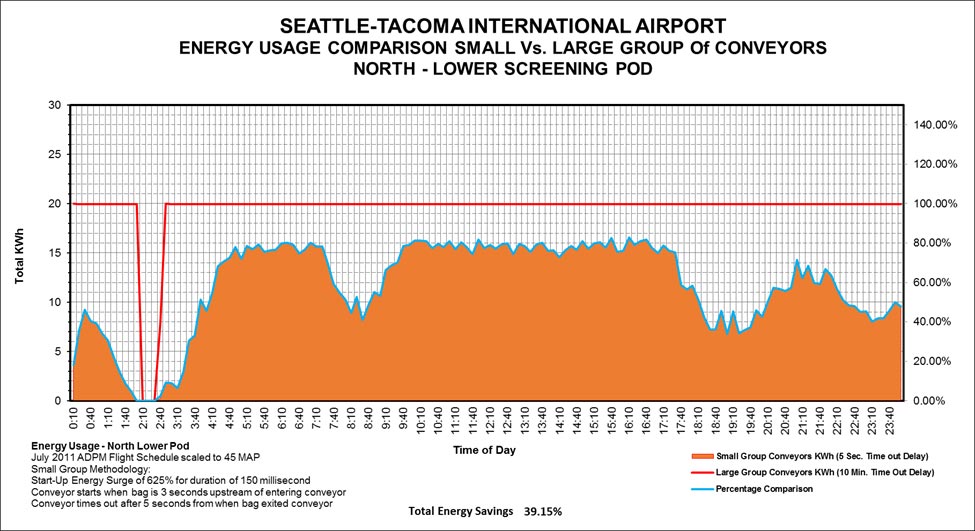
The bag systems have been simulated using the Zone Method and the Small Group Method to quantify the runtime and the number of starts and stops of each conveyor. This data, combined with the motor energy requirements, is used to estimate the daily energy consumption of each approach. Simulations have identified opportunities to reduce airport energy costs by up to 33%. The graph below depicts the energy utilization for each methodology over the 24-hour study interval, showing significant energy savings with the application of the Small Group Methodology.
- Project Start
- N/A
- Client
- N/A
- Scope of Service
- Energy Savings
- Data Analysis
- Operational Modeling Tool
- Simulation
- Region
- N/A
More Project Success Stories
Asia
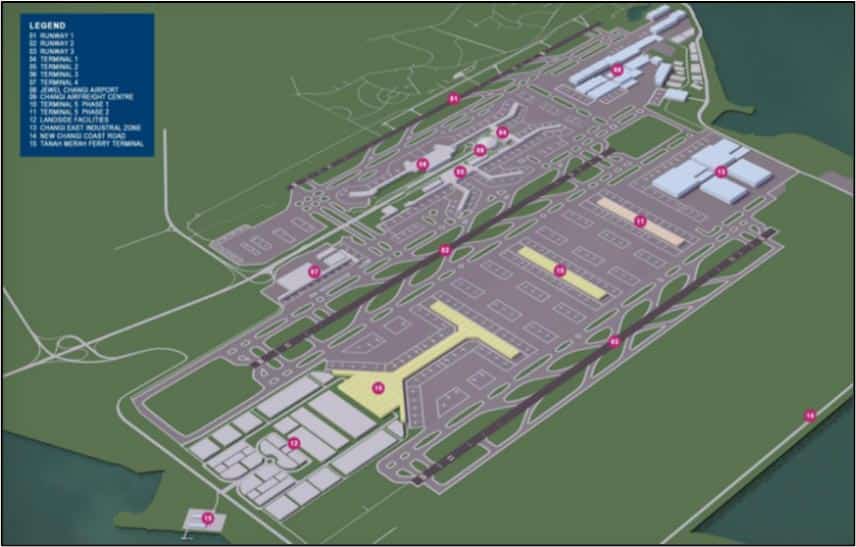
Changi International Airport (SIN) Terminal 5 Baggage Handling Systems
BNP has been engaged by Changi Airport Group (CAG) to provide consulting services for the new Baggage Handling System (BHS) at the new Terminal 5, as part of Changi International Airport’s expansion plans.
North America
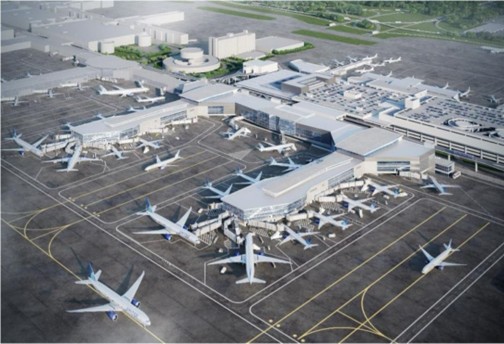
George Bush Intercontinental Airport (IAH) Terminal B Transformation
In 2023, United Airlines and the Houston Airport System selected PGAL as the Prime Consultant and Architect of Record to design the new Terminal B facility at George Bush Intercontinental Airport (IAH).

Latin America/Caribbean
A-CDM Technical Assistance at Aeropuerto Internacional Benito Juárez (MEX)
Airport Gurus provided independent technical advisory services to support the implementation of an Airport Collaborative Decision Making (A‑CDM) system at Aeropuerto Internacional de la Ciudad de México (AICM).
Partnering for Results: From Mega-Projects to Mid-Sized Success.
While building on our strong reputation, we aim to showcase our ability to deliver cost-effective solutions for mid-sized projects, educating clients on the latest technologies and ensuring their long-term success.